Service Hotline







Product Introduction
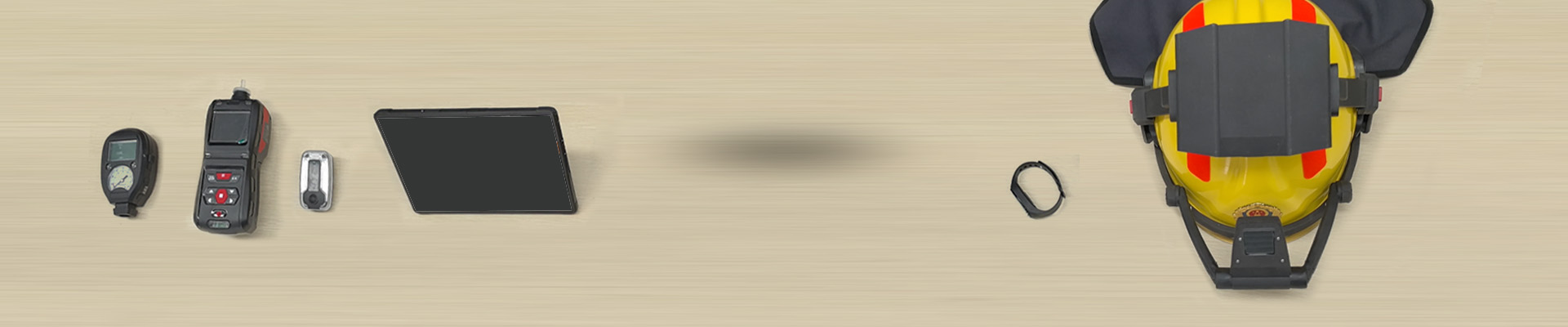
Built on narrowband self-organizing network positioning and communication technology, the system operates independently of public cellular infrastructure. It integrates a portable gateway, command tablet, integrated positioning terminal, communication repeater, and wearable vital signs monitor(smart wristband). Featuring real-time personnel status monitoring and one-touch SOS emergency functionality, it provides robust support for on-site operational safety and command coordination.
Application Scenarios
Primarily deployed in indoor rescue operations with severe signal obstruction—such as large shopping malls, tunnels, and underground facilities—and adaptable to complex high-risk environments including chemical plant explosions and earthquake-induced structural collapses. The system delivers meter-level precise positioning and real-time trajectory tracking of personnel.
Detailed Explanation of Layered Equipment
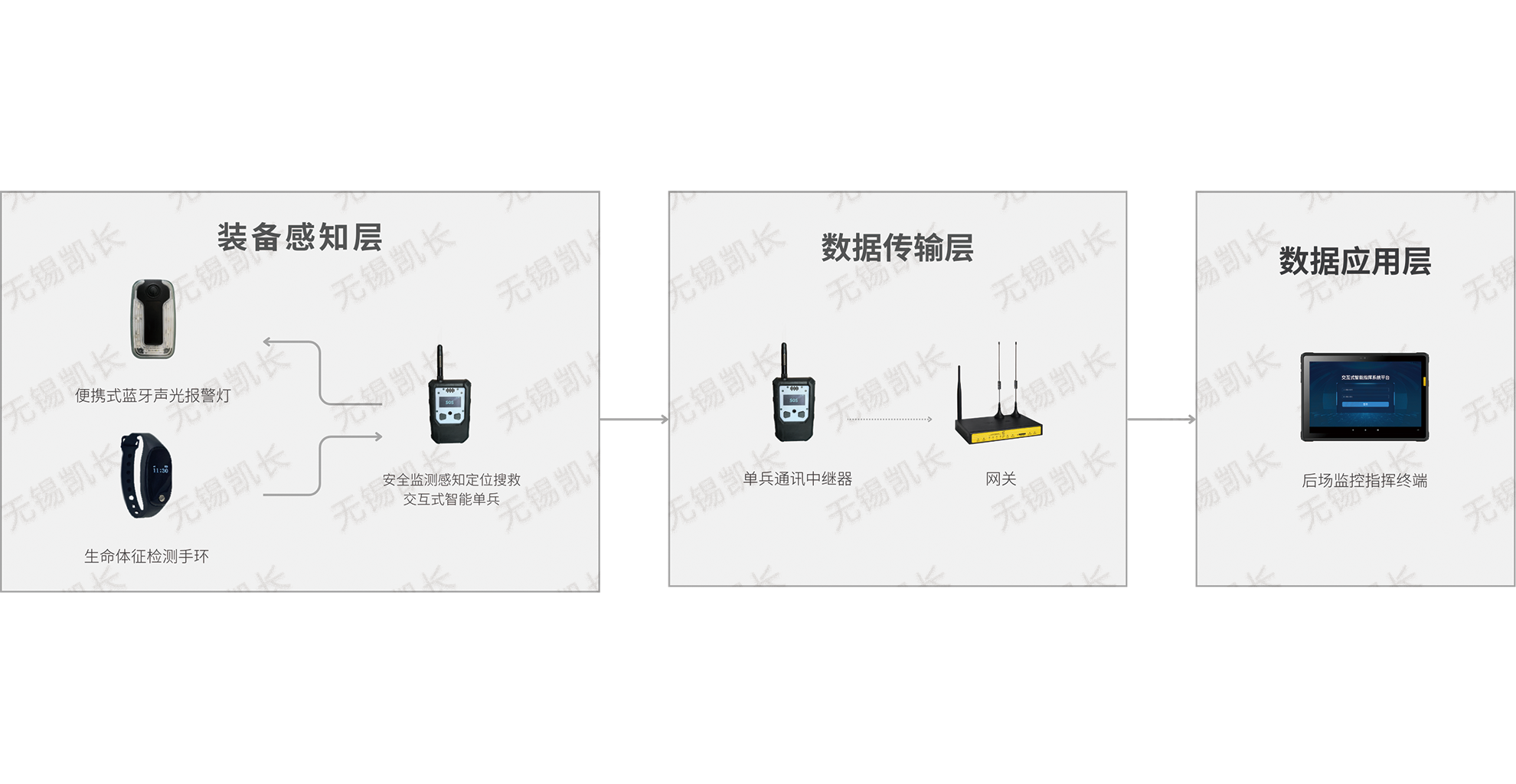
1.Equipment Perception Layer Comprises:
Wearable Vital Signs Monitor (Smart Wristband) – continuously tracks heart rate, body temperature, and other physiological parameters
Portable Bluetooth Audio-Visual Alarm Light – activates high-intensity strobe and audible alerts during hazardous conditions
Interactive Intelligent Single Firefighter System for Safety Monitoring, Environmental Sensing, Positioning, and Search & Rescue – captures real-time location/status data with bidirectional communication capability
Function: Continuously acquires personnel biometrics and environmental data.
2. Data Transmission Layer
Employs Communication Repeater (relays and amplifies signals for reliable connectivity in obstructed environments) and Network Gateway (manages network topology and uploads aggregated data), leveraging narrowband self-organizing network architecture to ensure stable, resilient data transmission under demanding conditions.
3. Data Application Layer
Centered on the Rear Command and Monitoring Terminal, which visualizes operational data to enable real-time situational awareness, proactive risk identification, early warning alerts, and data-driven command decision support.





Follow Us
Copyright © 2026 Wuxi Changkai Chang Technology Co., Ltd
苏ICP备13014294号-1
 苏公网安备32028102004059号